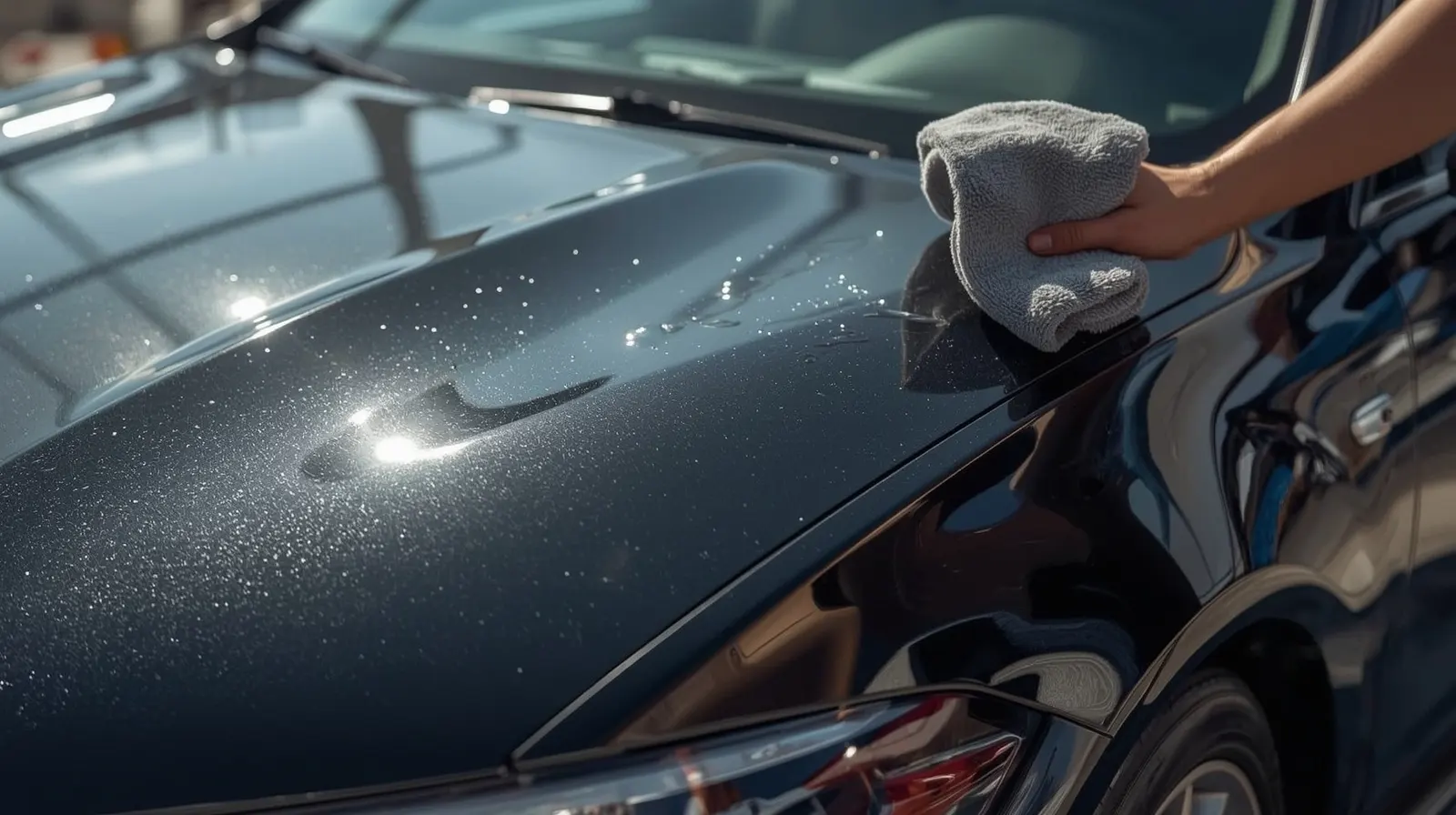
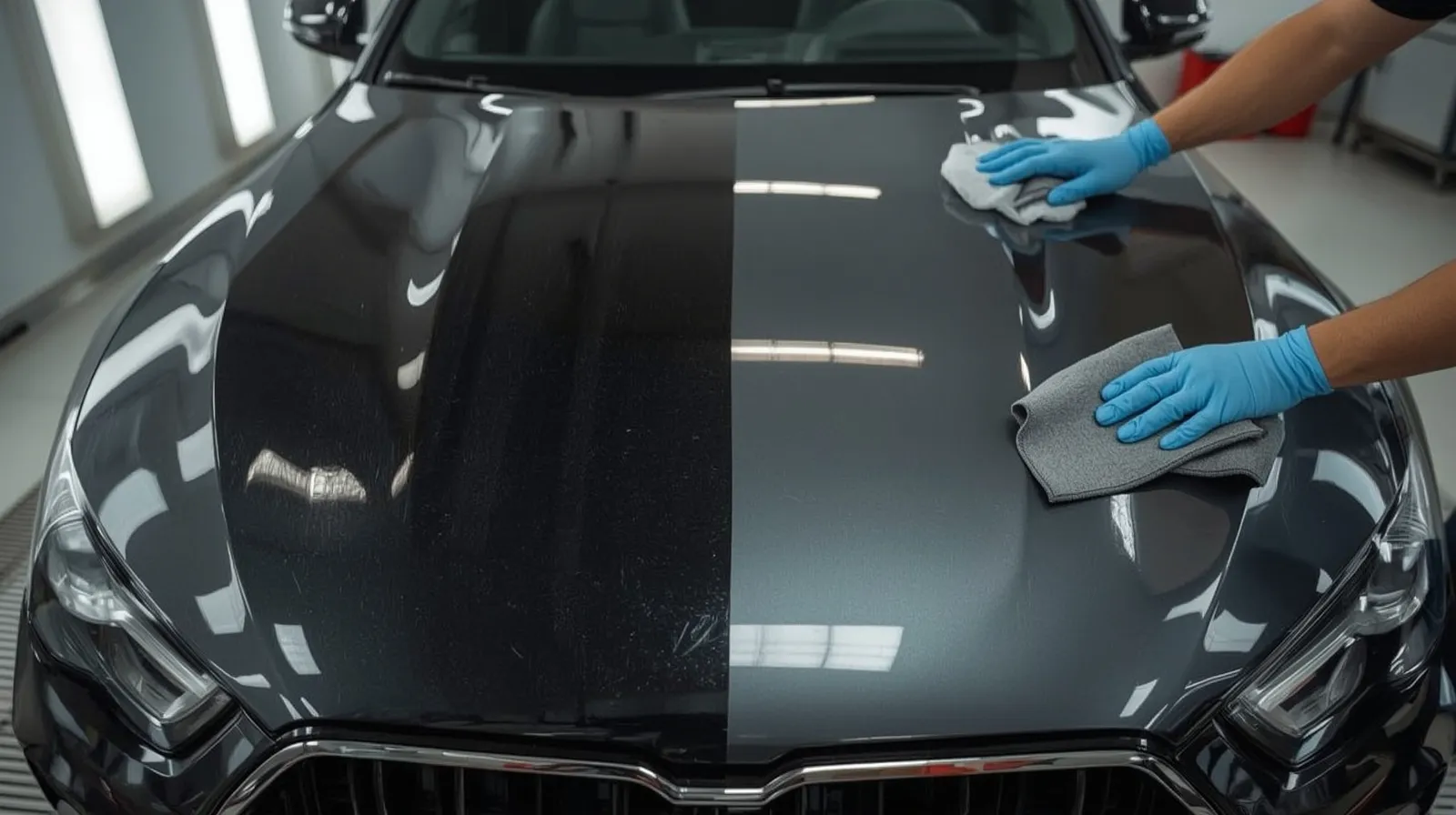
Paint Protection Film Maintenance means taking simple steps to keep the film clean, clear, and strong so it can protect your car the right way. With a few easy habits, the film stays smooth, bright, and long lasting. This guide shows the best ways to care for the film at home, how to avoid marks, what tools to use, and when to ask a pro for extra help. The tips are simple, safe, and based on real world experience so any car owner can follow them with confidence.
Now let’s begin the full guide in detail.
Why Good Care Matters Before You Begin Your Paint Protection Film Maintenance Routine
Good care helps the film last longer and keeps your car looking sharp. Many people think PPF works on its own with no upkeep. But even strong film needs a little help to stay at its best. When dirt sits on the film too long, it can stick and leave marks. When harsh soap is used, the shiny top layer can lose its clean look. When someone wipes the car with a dirty towel, it can leave light scratches on the surface.
The good news is that proper maintenance is simple. You do not need any special skill to keep the film healthy. You only need the right habits and a few safe tools. With good care, the film continues to protect the paint from sun, dirt, and road debris. The car stays clean, bright, and new looking for a long time.
When you start with the right steps, you avoid most problems before they even appear. The film is designed to protect your paint, and caring for it helps it perform even better. Think of it like caring for something strong yet delicate. A little attention keeps it in great shape. Once you follow a steady routine, the film maintains its shine and clarity with very little effort.
What Makes PPF Care Different From Regular Car Cleaning
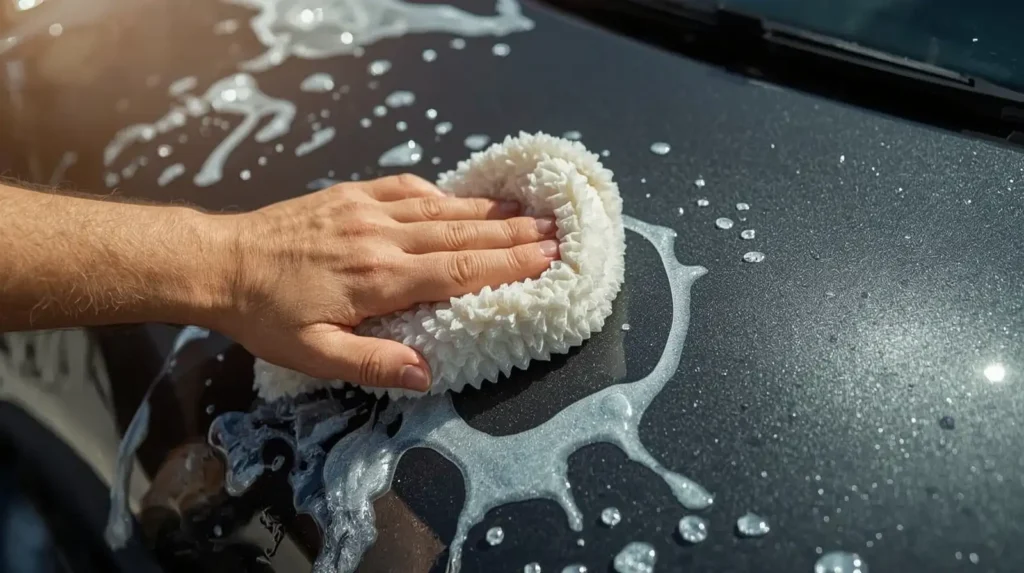
PPF care is not the same as washing bare paint. With bare paint, the surface is harder and can handle stronger pressure and soaps. But PPF has a softer top layer designed to protect and self heal small marks. This top layer needs gentle care so it can keep doing its job.
Film reacts to heat differently than paint. When the sun warms the film, it becomes more flexible. This helps with small scratch healing, but it also means aggressive scrubbing on a hot surface can damage the top coat. The best time to wash the film is when the surface is cool.
Another big difference is the way film responds to water and soap. Regular car soap may be too strong for film. Some soaps remove oils that the film needs for shine. Using a pH safe soap protects the film and keeps the surface smooth.
Film also traps dirt more easily than bare paint. Dirt can stick to the edges or corners. This is normal, but it means you should rinse those areas well. When you clean the film with care, it stays clear and bright. The differences are small, but they matter.
Easy PPF Care Tips You Can Follow at Home
Caring for the film at home is simple when you follow the right steps. Always rinse the car before washing. This removes loose dirt. The less dirt you rub into the film, the safer the surface stays.
Use a pH safe soap made for film or gentle car washing. If the soap has strong chemicals, it can dull the film. A soft wash mitt works best for cleaning. It traps dirt without scratching the surface. Rinse the mitt often so dirt does not stay inside it.
Always wash the car in the shade. Washing in the hot sun makes soap dry fast, and that can leave marks. A shaded area gives more time for safe cleaning.
Dry the film with a clean microfiber towel. Move the towel in straight lines. Circles can create small marks. Always pat or pull the towel gently across the surface. Do not push down hard.
If bugs hit the film on a drive, clean them soon. Bug residue can leave stains if it sits too long. A PPF safe bug remover can help loosen the marks without harming the top layer.
Washing once a week keeps the film clean. It prevents buildup and stops stains from forming. These easy habits help the film stay shiny and strong.
How to Protect PPF From Daily Wear and Road Conditions
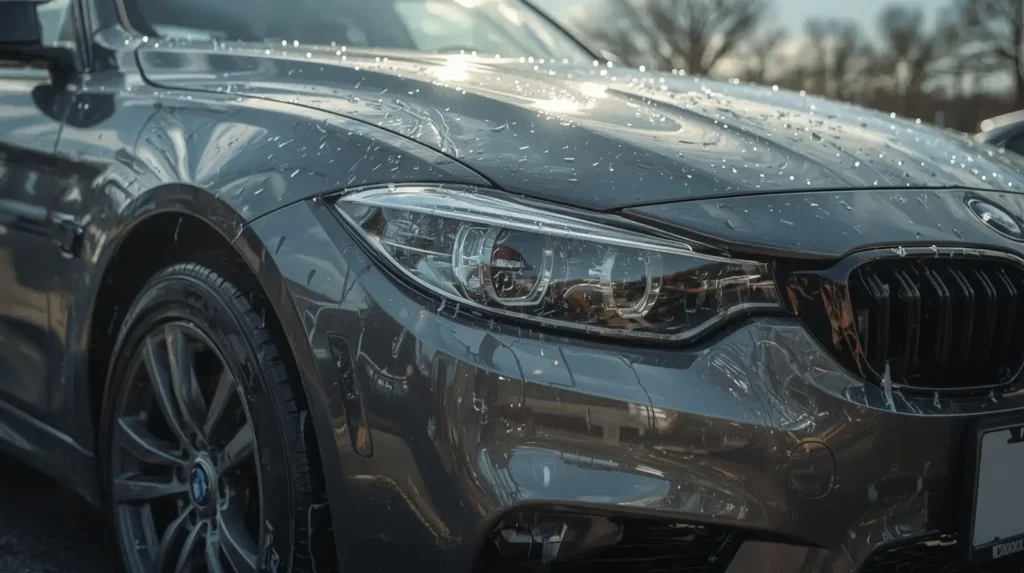
Daily driving exposes the film to sun, heat, dust, dirt, and small bits of debris. Over time, these things wear the film down if care is ignored. But with a few simple habits, you can keep the film in great shape.
Try to park in the shade whenever possible. Heat makes dirt stick faster. Shade keeps the film cooler and easier to clean. When parking long term, shade also slows down aging from UV rays.
If you live near dusty roads, rinse the film more often. Dust can create fine lines when wiped off. Rinsing removes dust without rubbing.
Mud, dirt, and bugs can build up behind the wheels and bumper. These areas should be rinsed more often. Dirt that sits too long can be harder to remove later.
On long trips, you may get more bugs or road grime. A quick rinse after the trip helps the film stay fresh. If you travel through areas with lots of gravel or loose rocks, give extra space behind trucks or cars. This reduces the number of small hits to the film.
Simple things like driving with care and rinsing more often help the film stay healthy. Protection starts with small daily habits.
PPF Scratch Care and How to Handle Small Marks the Right Way
Scratches on PPF can look scary, but most shallow marks are harmless. Many modern films have a self healing top coat. This means small scratches fade when the film warms up. Sunlight, warm water, or even warm air can help the scratches disappear.
To help a light scratch heal, gently pour warm water on the area and wait. Do not rub hard. Most small marks soften as the film relaxes. If the scratch is deeper, it may not heal on its own. But a deep scratch in the film is still better than a scratch in the paint.
If you see a clear line that does not fade, do not use sharp tools or heavy pressure. These can damage the film. A pro installer can check the scratch and tell you if it needs repair or replacement.
Many scratches come from using dirty towels or rough materials. Always choose clean microfiber towels. If a towel drops on the ground, grab a fresh one. A single grain of dirt can cause scratches.
When you use safe methods, scratch care becomes simple. The film will look smooth and clean again.
Cleaning Mistakes That Can Damage Your Paint Protection Film
Some cleaning mistakes can hurt the film more than you think. One common mistake is using strong detergent. These soaps can remove the natural shine and weaken the top layer.
Another mistake is using rough sponges or old towels. These tools can drag dirt across the surface and leave scratches. Soft microfiber is always the safest choice.
Be careful with pressure washers. When used too close to the film edges, they can lift the corners. Once an edge lifts, dirt can get underneath and slowly weaken the bond. Keep the pressure washer at a safe distance.
Avoid automatic car washes with brushes. These brushes touch many cars each day and often carry dirt. That dirt can scratch your film. Touchless car washes are safer but hand washing is best.
Do not use clay bars unless handled by a skilled pro. Clay can remove bonded dirt, but it can also scratch the film if used wrong.
Avoid scrubbing with too much force. Gentle cleaning protects the top layer and helps it stay shiny.
Safe Tools and Products for Better Paint Protection Film Maintenance
Safe tools make PPF care easy. The best tools are soft microfiber towels. They trap dirt safely without scratching. You should have separate towels for washing, drying, and final wiping.
A gentle wash mitt made of microfiber is the best choice for cleaning. Rinse it often during the wash to remove dirt.
Use a pH safe soap. Harsh cleaners can weaken the top coat and dull the shine. Look for soaps labeled safe for PPF or safe for coated surfaces.
If you need extra help with bug residue, choose a PPF safe bug remover. These products break down the bugs without hurting the film.
Keep spray bottles, buckets, and towels clean. Dirty tools create scratches. Always store your tools in a clean, dry place.
Some people like using quick detail sprays. Make sure the spray is safe for film. A gentle spray can help keep the surface smooth and bright.
These safe tools and products keep the film looking new without much effort.
How Weather Conditions Shape Your PPF Care Routine
Weather changes affect how PPF behaves. In hot weather, soap can dry quickly, leaving streaks. Wash the car early in the morning or late in the afternoon. This gives you more time to clean safely.
Rainwater may look clean, but it often leaves spots when it dries on the film. After a rainstorm, dry the car lightly to prevent spotting. Use a soft towel so you do not scratch the surface.
Cold weather can make the film stiff. When the film is stiff, be gentle during washing. Use warm water to help soften the film slightly.
If you take long trips, bugs and dirt may build up faster. Rinse these areas once you reach home. This keeps the film clean and prevents long term marks.
If you live in a dry area, dust can settle fast. Dust should not be wiped away dry. Always rinse first to avoid scratching.
Weather affects the film daily. When you adjust your routine for the weather, the film stays clear and smooth.
When to Visit a Local Pro in San Diego County for Extra Support
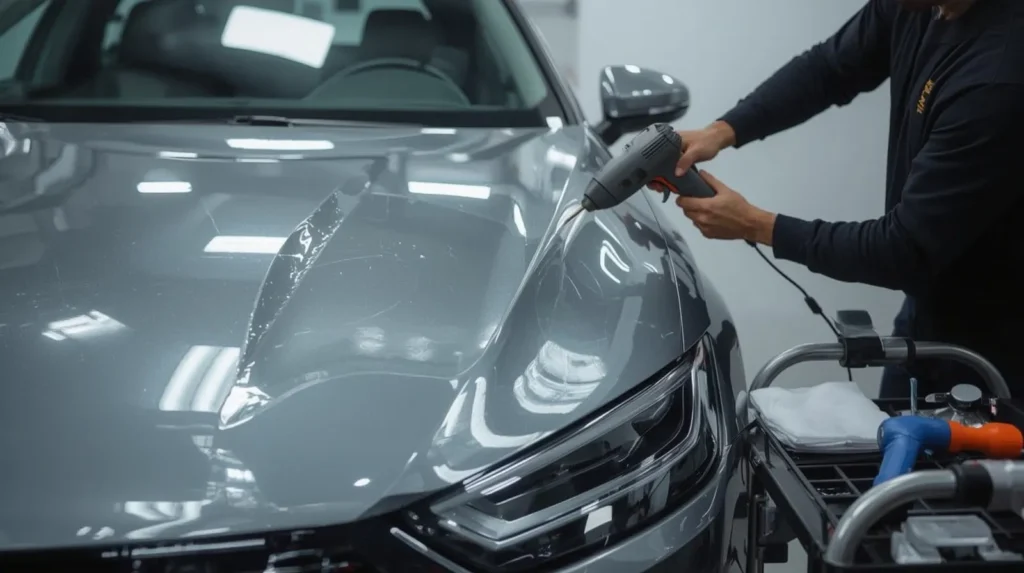
Most PPF care can be done at home, but sometimes you need help from a trained installer. If you see edges lifting, bubbles forming, or wrinkles that will not smooth out, it is best to visit a pro.
If stains remain after cleaning, a pro can check the film and guide you. Sometimes the stains are surface level. Other times, the film may need a deep clean or a small section replaced.
Deep scratches that do not fade with heat should also be checked. A pro can tell if the scratch has gone past the top coat.
If you see yellowing or hazy spots, it may be caused by age or cleaners that were too strong. A pro can inspect the area and explain your options.
Good installers understand how film ages and how to fix problems safely. When you get help early, you save money and protect the film for a longer time.
Why Car Owners Trust Tint Veteran as Their PPF Installation and Support Partner
Tint Veteran is known for quality work and honest guidance. Many drivers choose them for their experience with film installation and support. Their team understands how the film behaves, how it ages, and how to keep it strong.
They do more than install the film. They give you the steps needed to care for it at home. Tint Veteran offers real world advice, not generic suggestions. They want your film to last as long as possible.
Drivers trust experienced installers because they want great results. A good installer knows how to place the film with precision and cares about long term performance. That is why many people return to Tint Veteran for more services or more guidance.
When you choose a reliable installer, you protect your paint and get support whenever you need it.
Your car deserves the right care. If you want strong protection that lasts, reach out today and get help from experts who know how to protect your paint the right way.