The best tint percentage for front windshield is usually 70 percent, as it allows clear visibility while blocking glare and heat. This level offers comfort, safety, and UV protection without making the windshield too dark. Tint Veteran recommends choosing a tint that balances clarity and performance based on your driving conditions.
Why More Drivers Are Rethinking Their Front Windshield Tint
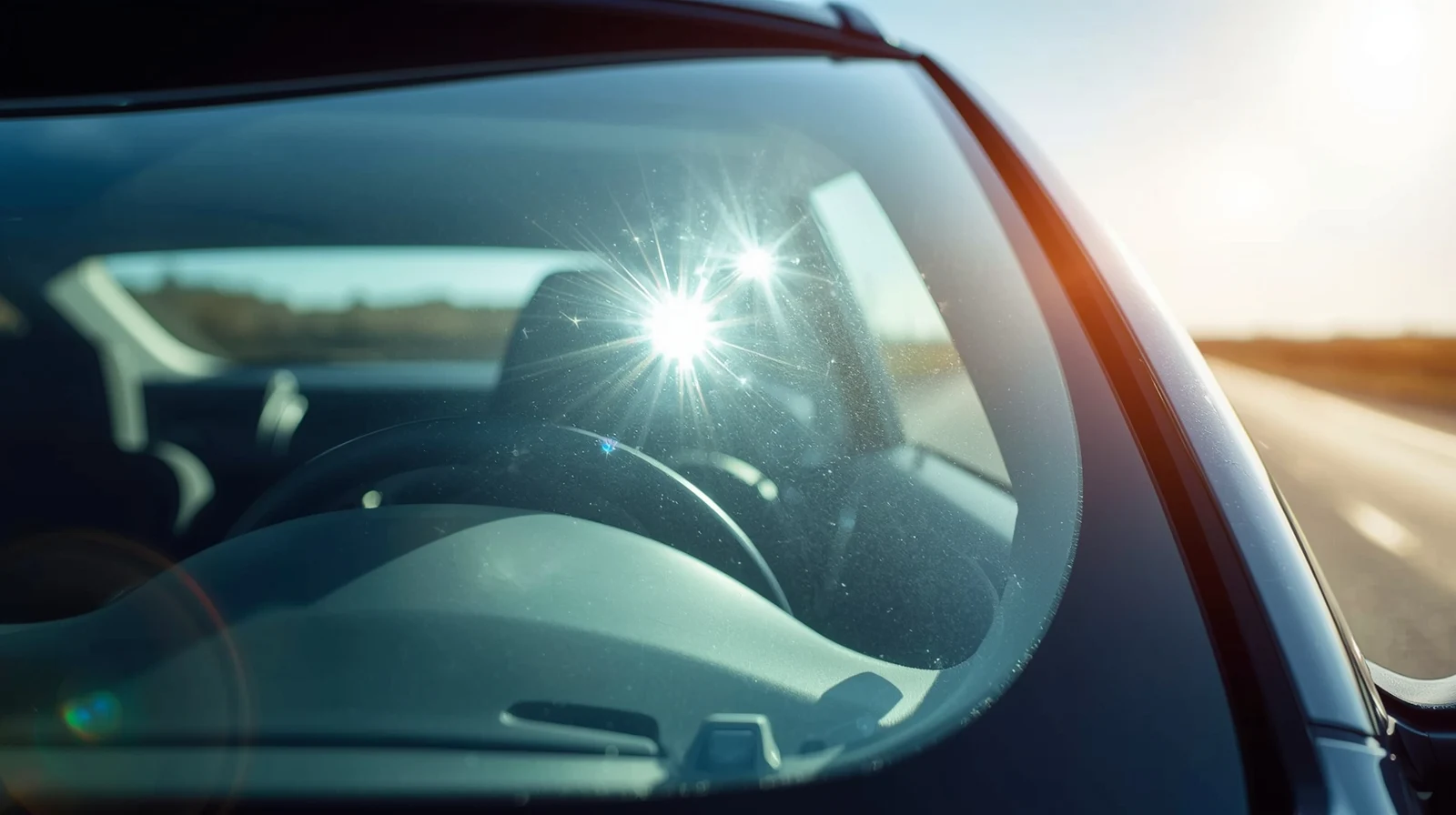
Many drivers today realize that factory glass alone is not enough to block the harsh sunlight that enters through the front windshield. Bright glare causes eye strain, dashboard fading, and higher cabin temperatures. When people spend hours on the road, the right tint percentage can make a real difference.
Adding a professional-grade tint helps filter harmful UV rays and reduces glare from the sun and headlights. This not only improves driving comfort but also keeps the car interior cooler. Choosing a proper tint level makes every drive safer and more relaxing, especially during long commutes.
Understanding Window Tint Percentages and What They Mean
Window tint percentages tell you how much visible light can pass through the glass. This number is called Visible Light Transmission (VLT). For example, a 70 percent tint lets in seventy percent of visible light, while a 30 percent tint allows only thirty percent.
Lower numbers mean darker glass, while higher numbers mean lighter glass. So, a 5 percent tint is very dark and often used on rear windows for privacy. For front windshields, a lighter tint like 70 percent or higher keeps your visibility clear while offering UV and heat protection.
It’s easy to think that darker is better, but for windshields, visibility and legal rules matter most. That’s why understanding VLT is key before deciding on your tint level.
Different Tint Levels and Their Real-World Performance
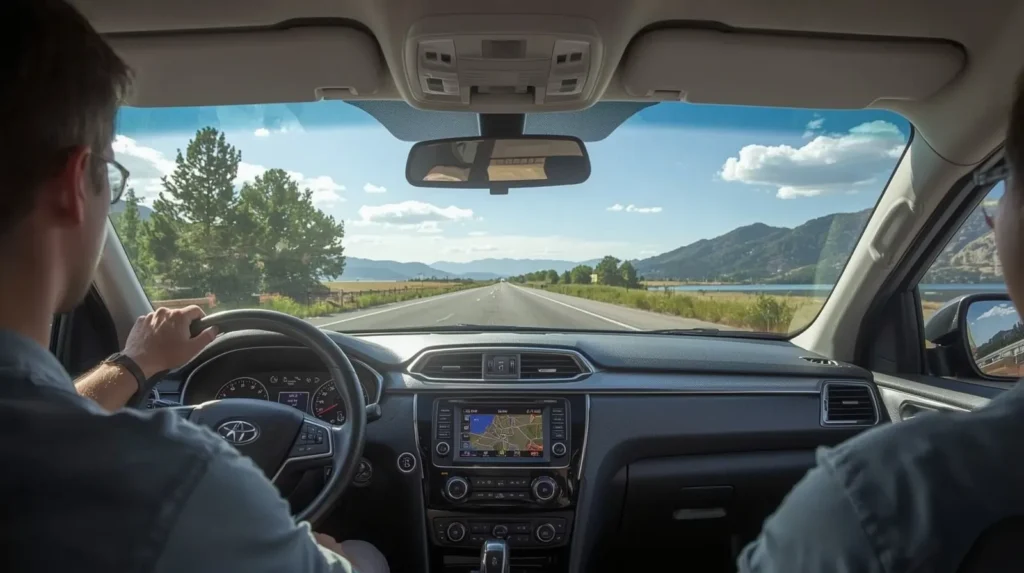
Tint levels range from very light to extremely dark. The most common ones include:
- 70% Tint: Almost clear, blocks heat and glare without darkening the view.
- 50% Tint: Offers a mild shading effect while keeping visibility comfortable.
- 35% Tint: Adds noticeable shading and privacy but may not be legal for front windshields in some regions.
- 20% Tint or Lower: Used mainly for side or rear windows to ensure privacy.
Each level changes the way light enters your vehicle. Higher percentages work best for windshields since they protect your eyes and dashboard from sunlight while maintaining clarity on the road.
What Percent Tint for Front Windshield Is Legal and Practical
The laws for window tinting differ from one state to another. Most states require the front windshield to have a minimum of 70 percent VLT. This ensures you can see clearly during the day and at night. Some areas allow a small tinted strip, called a visor strip, across the top of the windshield to block sun glare.
While darker tints might look stylish, they can reduce visibility and increase risk in low light. A 70 percent tint gives a great balance between comfort and compliance. It reduces brightness but does not compromise your ability to see the road.
Always check your state’s legal tint chart before applying any film. Tint Veteran stays up to date with current regulations to ensure that customers meet the legal limits without sacrificing performance.
Ceramic Tint Levels and Why They’re Worth Considering

Ceramic tints use advanced materials that block heat and UV rays without darkening the glass too much. Unlike standard films, ceramic tint rejects infrared heat, which makes the car interior cooler even under direct sunlight.
A 70 percent ceramic tint on the front windshield performs better than darker non-ceramic films because it filters out up to 90 percent of infrared radiation while keeping your vision crystal clear. It’s also resistant to fading, bubbling, and discoloration over time.
Drivers who want year-round protection and clarity find ceramic tint to be a smart investment. It might cost more initially, but the comfort and energy savings make it worth it in the long run.
Comparing Vehicle Window Tint Percentages: Clarity vs. Privacy
Every driver has different needs. Some want privacy, while others care about comfort and visibility. When you compare vehicle window tint percentages, you’ll notice that lighter tints are ideal for windshields and darker ones for side and rear windows.
Here’s a simple breakdown:
- 70–80 percent: Perfect for windshields, provides UV protection and heat control.
- 35–50 percent: Good for front side windows to reduce glare without darkening too much.
- 20 percent and below: Designed for rear windows for privacy and shading.
It’s important to create a balance. Matching different tint percentages across the vehicle gives a uniform look while meeting legal standards.
How Tint Percentages Affect Temperature and Energy Efficiency
A properly tinted windshield can reduce cabin heat by up to 40 percent. The higher the tint’s quality, the more infrared rays it blocks. This means your car stays cooler on hot days, reducing your need for air conditioning.
With less strain on the air conditioning system, your vehicle uses less energy, improving fuel efficiency. Over time, this small difference can save money and help maintain your car’s interior condition.
The right tint doesn’t just look good. It makes driving more efficient, especially in areas with constant sunlight. Protecting yourself from glare means fewer distractions and safer driving.
How to Choose the Best Tint Percentage for Your Front Windshield
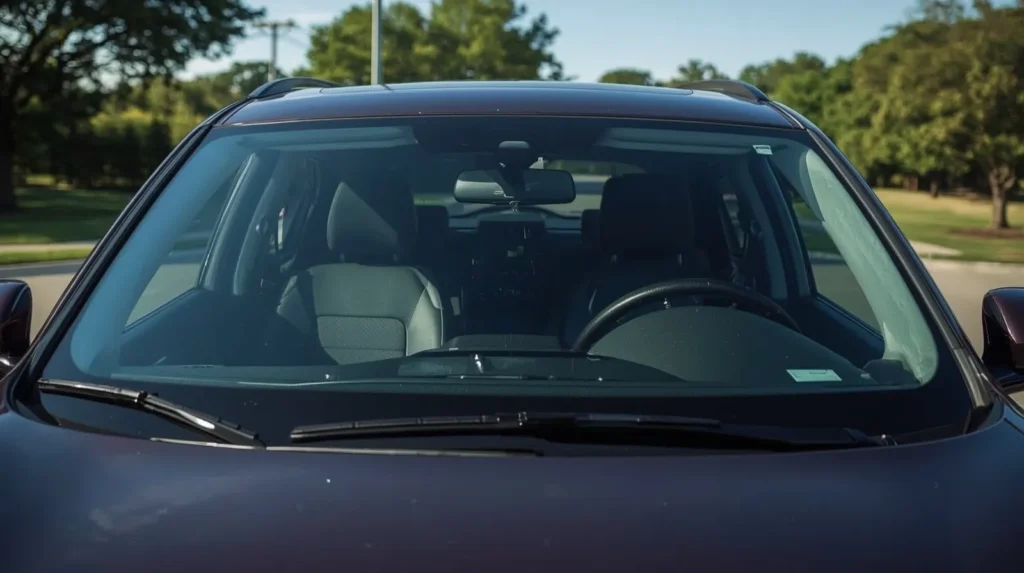
Choosing the right tint percentage depends on several things:
- Driving Habits: If you drive mostly in daylight, a 70 percent tint gives glare control and clarity.
- Climate: In sunny climates, a ceramic tint helps block heat effectively.
- Local Laws: Always follow local tinting regulations for front windshields.
- Aesthetics: Pick a tint shade that matches the rest of your vehicle.
You want to avoid going too dark because it might reduce visibility at night. The best approach is to choose a legal percentage that improves comfort and safety.
Most professionals agree that 70 percent VLT is the best tint percentage for front windshields. It’s bright enough for safe driving yet blocks significant heat and UV rays.
Expert Tips from Tint Veteran on Windshield Tinting Done Right
The team at Tint Veteran has installed thousands of tints on all types of vehicles. Here are their best tips for a perfect finish:
- Always use high-quality ceramic or nano-carbon films.
- Ask for tints that include a UV protection rating of 99 percent.
- Clean windows thoroughly before applying the film to avoid bubbles.
- Choose a professional installer who understands local tint laws.
- Avoid rolling down windows for at least two days after installation.
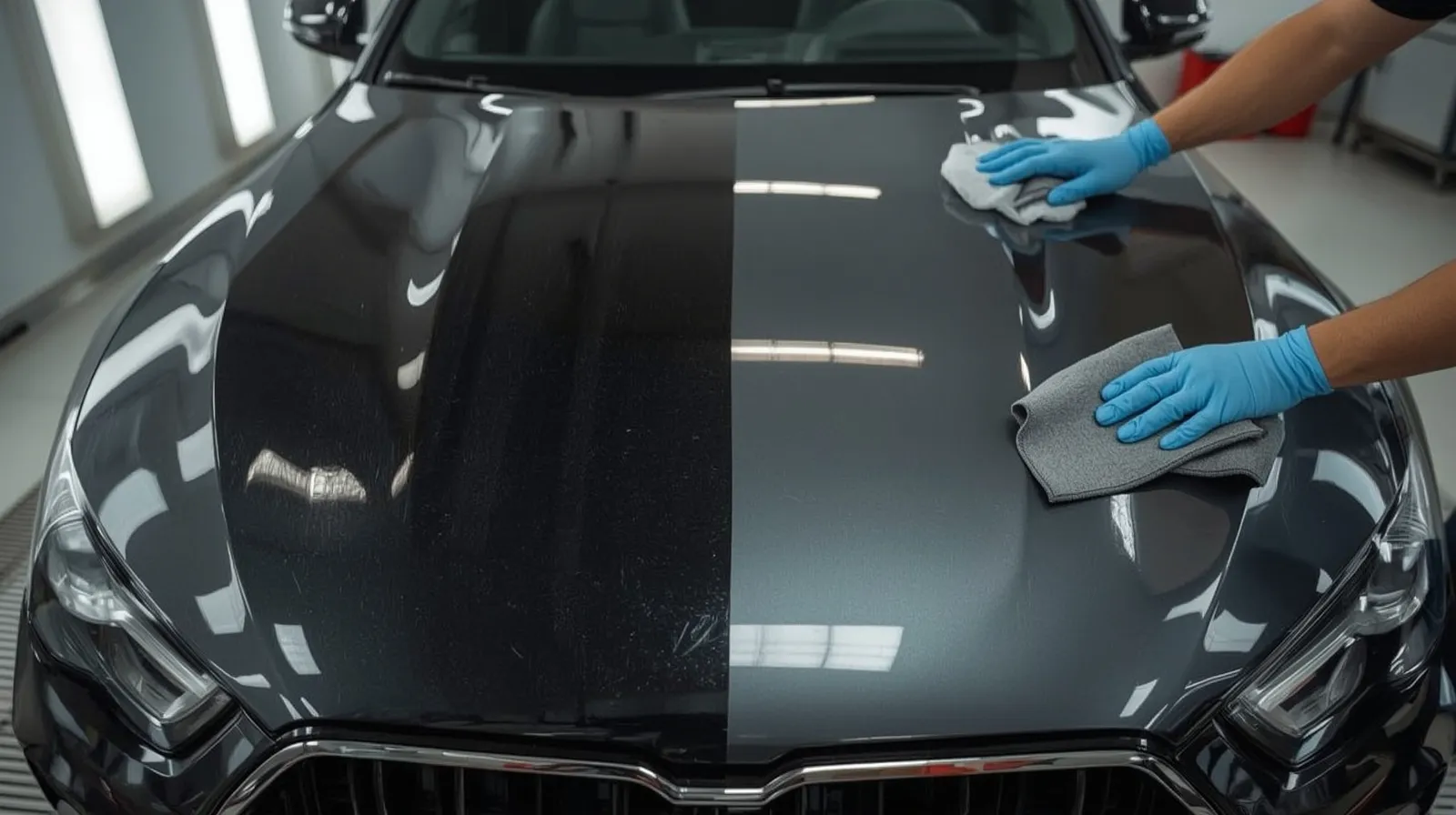
Professionals know that every car model reflects light differently. That’s why Tint Veteran customizes each installation to match the curve, size, and shape of your windshield for an even look.
Drive Cooler, Safer, and Smarter with Tint Veteran in San Diego County
Windshield tinting is more than just a style upgrade; it’s a practical way to improve your driving experience. The right percentage gives you clear vision, blocks heat, and protects your eyes and interior surfaces from harmful UV rays.
With proper installation and material quality, your tint will last for years without fading or peeling. This means better performance, safety, and value for your investment. Whether you’re looking for better comfort or energy savings, the right tint makes every drive more enjoyable.
Tint Veteran provides professional-grade tint solutions for every type of driver. Their team helps customers choose the ideal tint percentage, ensuring quality, precision, and legal compliance.
When you are ready to protect your vehicle and make your driving experience smoother, reach out to Tint Veteran. Get expert advice, premium materials, and flawless installation that keeps your car cool, stylish, and protected year-round.