If you’ve ever wondered how long does paint protection film last, the clear answer is between 5 and 10 years on most vehicles. The lifespan depends on the film’s quality, installer’s skill, and how you care for your car. When applied by professionals like Tint Veteran, high-grade PPF can stay glossy, transparent, and protective for close to a decade. It’s the most reliable way to keep your car’s paint looking brand-new without constant waxing or costly repainting.
What Is Paint Protection Film and Why Drivers Trust It
Paint Protection Film (PPF) is a thin, see-through polyurethane layer applied over your vehicle’s exterior panels. It guards the paint against everyday threats such as stones, insects, and harsh weather. While invisible to the eye, it forms a powerful barrier that absorbs small impacts before they ever reach your car’s paint.
Drivers trust it because it provides real-world protection without changing the car’s appearance. Unlike waxes or ceramic coatings that only add shine, PPF physically shields the paint. Many modern films are self-healing, meaning light scratches fade away when the film warms up in sunlight.
This combination of protection and visual appeal has made PPF the go-to option for anyone serious about preserving their vehicle’s finish for years.
Why More Car Owners Are Choosing Paint Protection Film
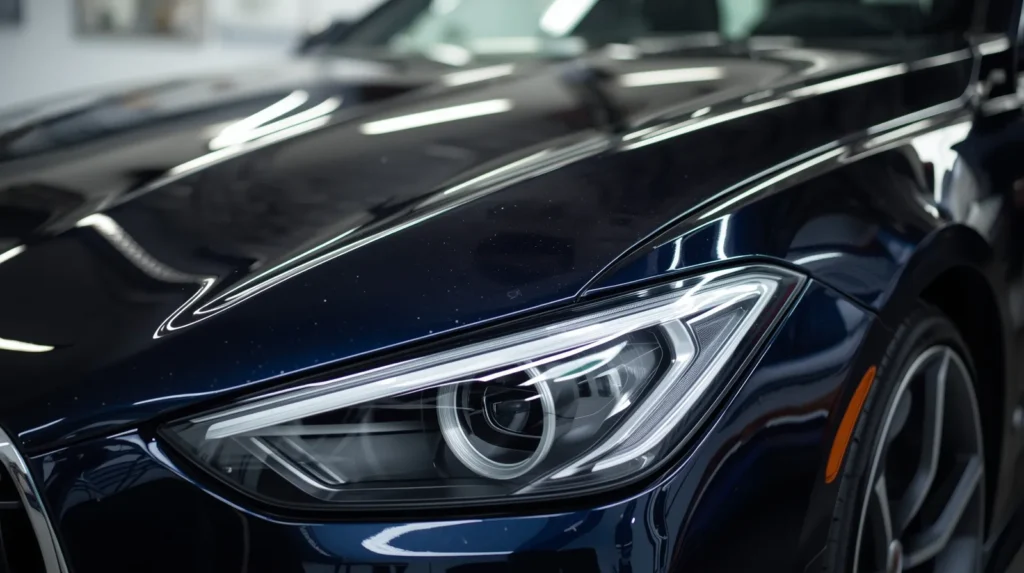
People buy cars expecting them to look great for years, but road debris, dust, and UV rays quickly dull the paint. PPF changes that story. It’s not just for luxury cars anymore it’s for anyone who values long-term savings and peace of mind.
Here’s why more car owners are investing in paint protection film today:
- Cost efficiency: A single installation costs less than multiple paint repairs over time.
- Resale value: A flawless paint job makes your car easier to sell and worth more.
- Low maintenance: No need to wax monthly or worry about chips and fading.
- Modern technology: Today’s films are crystal-clear and resistant to cracking, bubbling, and peeling.
These advantages have made PPF one of the smartest upgrades for drivers who want their cars to stay newer, longer.
How Long Does Paint Protection Film Last on a Car
Now, let’s answer the question that matters most how long does paint protection film last on a car?
On average, you can expect 5 to 10 years of effective protection. High-quality films can last even longer when installed by skilled professionals and properly maintained. Lower-grade films, or those applied in poor conditions, may begin to degrade after just a few years.
Film durability also depends on environment. A car parked in a garage most of the time will maintain its film much longer than one exposed daily to sun and pollution. Likewise, coastal climates with salty air may shorten film life slightly unless special UV-resistant films are used.
The most important factor is the installer’s experience. Professionals who prepare the surface correctly and use precise alignment ensure that the film bonds evenly and lasts its full lifespan. That’s why working with seasoned experts like Tint Veteran can make the difference between five years of protection and ten.
Factors That Affect the Average Lifespan of PPF
While PPF is durable, its lifespan isn’t identical for everyone. Several elements influence how long it holds up:
- Film Quality – Premium films from trusted manufacturers use advanced polymers and clear coats that resist UV breakdown and surface damage. Cheap films often discolor or harden within a few years.
- Installation Quality – If air bubbles, trapped dust, or stretched edges occur during installation, those weak spots can peel early. Professional installation ensures seamless bonding.
- Climate Conditions – Extreme heat, freezing temperatures, and high humidity can stress the adhesive layer over time.
- Maintenance Habits – Regular washing and gentle care keep the film flexible and glossy. Using strong chemicals or rough brushes shortens its life.
- Driving Conditions – Cars used on highways, where gravel and bugs constantly hit the front bumper, naturally experience more wear.
By controlling what you can film type, installer, and maintenance you can push your PPF’s lifespan toward the upper limit.
Does PPF Yellow Over Time and Why It Happens
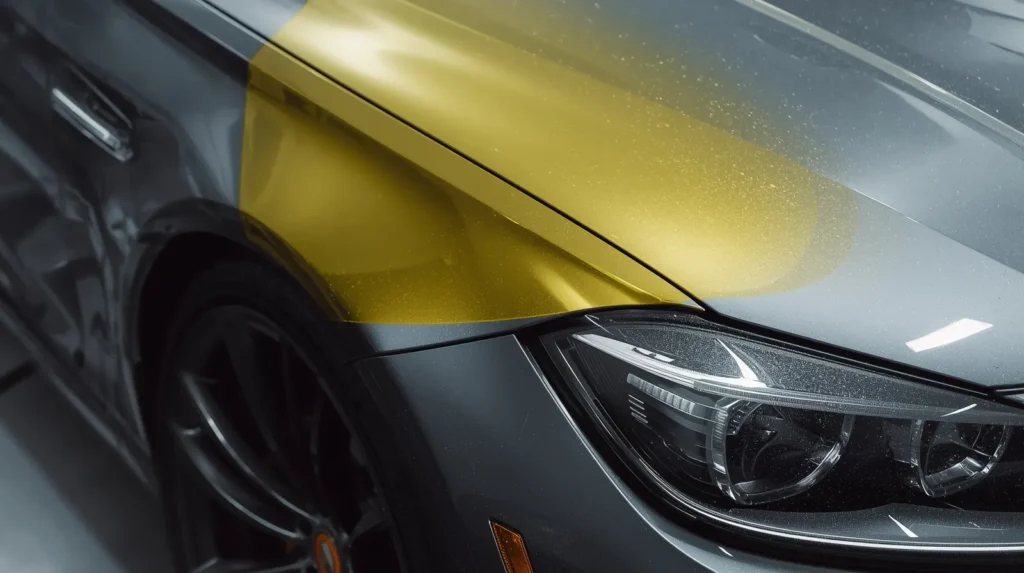
One of the most common concerns drivers ask about is: does PPF yellow over time?
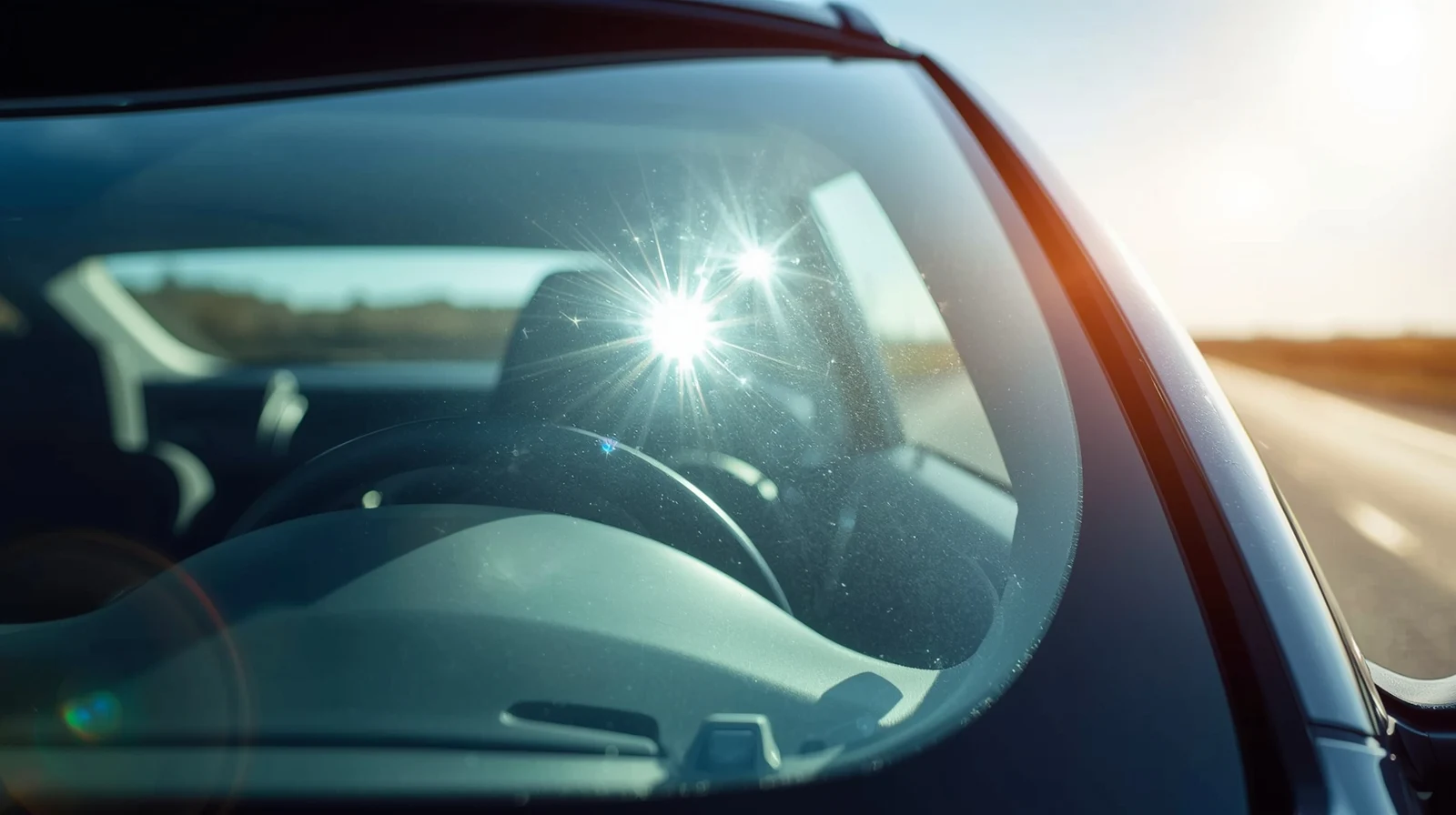
The short answer: modern PPF rarely yellows anymore. Early generations of film would fade or turn amber because they lacked UV inhibitors. The constant sun exposure oxidized the film, making it appear discolored.
Today’s films include UV-blocking top coats and non-yellowing adhesives that stay crystal-clear for years. Discoloration now usually comes from neglect things like leaving bird droppings or harsh chemicals on the surface for too long.
If your PPF begins to yellow, it might be due to poor-quality material or improper maintenance, not age alone. Choosing reputable brands and keeping your car clean prevents this problem completely.
The Role of Proper Installation in Extending PPF Lifespan
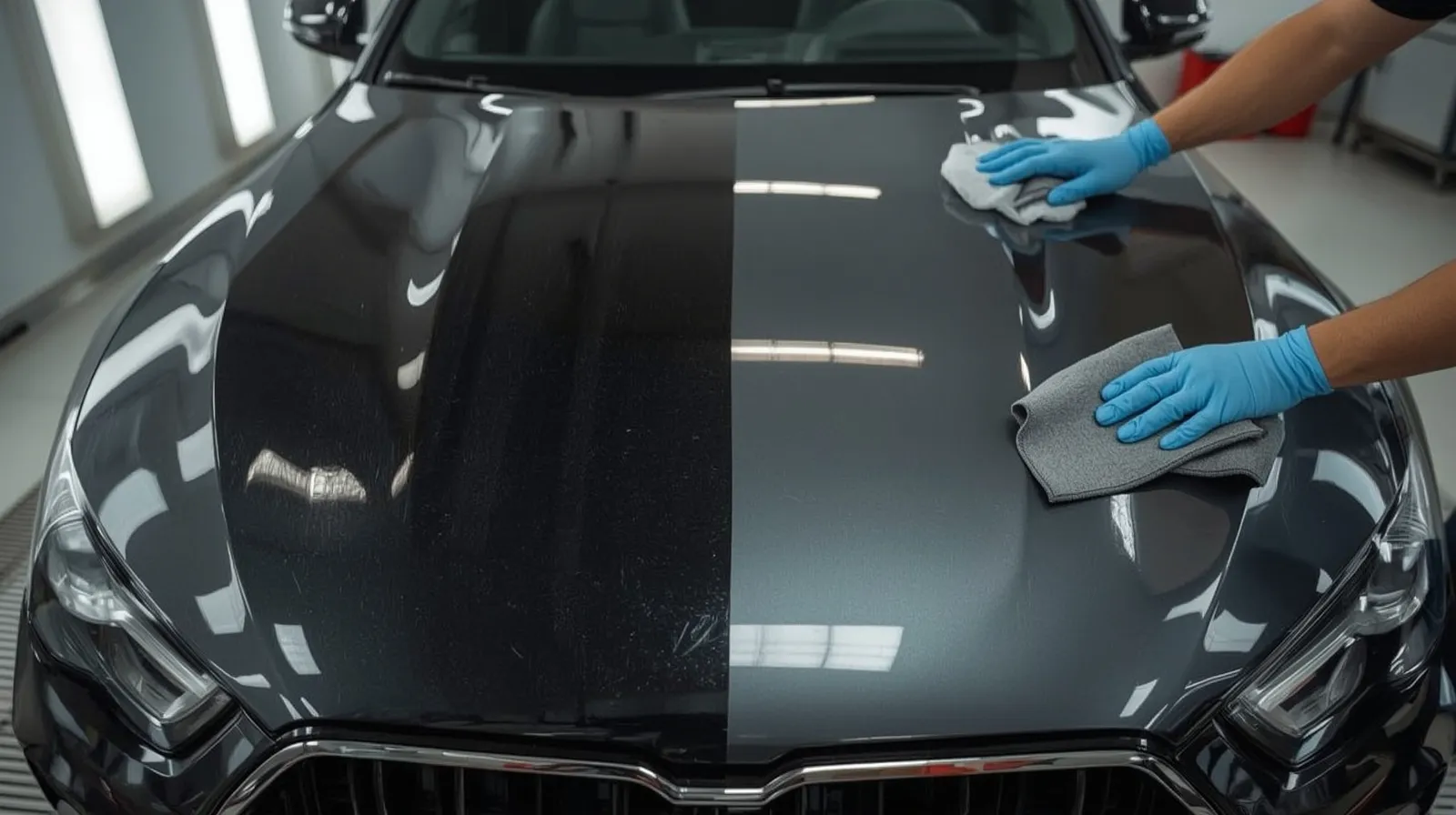
A professional installation can add years to your film’s life. Proper preparation involves washing, claying, and sometimes polishing the paint to remove invisible contaminants. Once the surface is perfectly smooth, the installer applies the film with precision so it hugs every curve without tension or trapped air.
High-skill installers use clean rooms or temperature-controlled bays to prevent dust particles from sticking under the film. After application, they heat-seal edges to prevent peeling. These small steps are what keep the film stable for years.
In contrast, a rushed or untrained installer might stretch the film too tight or leave edges exposed, leading to early failure. That’s why your choice of installer matters just as much as the film itself.
Maintenance Tips to Make Paint Protection Film Last Longer
Once the film is installed, taking care of it is easy but crucial. Think of it as caring for a premium finish. Here are maintenance tips that protect your investment:
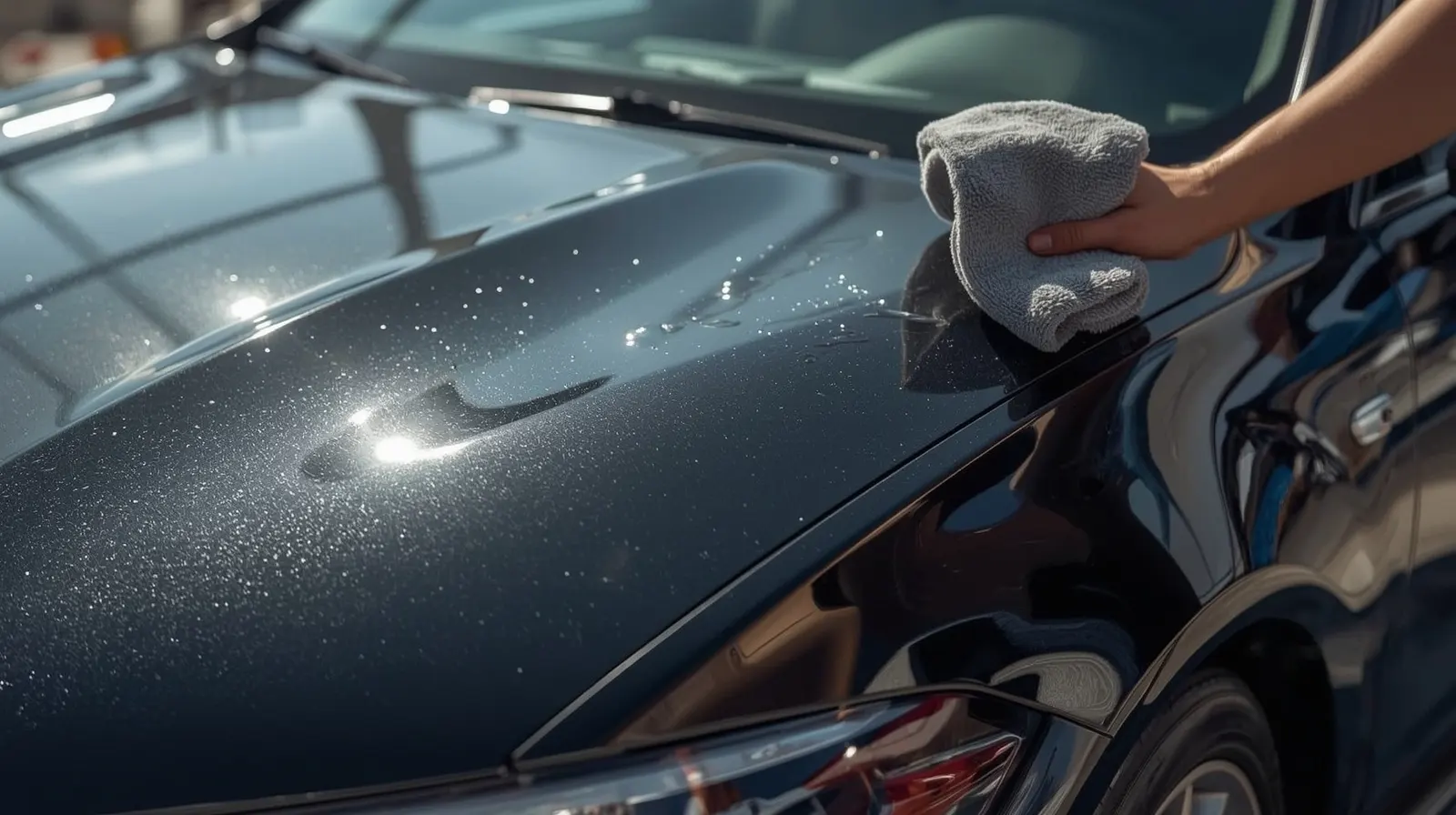
- Hand wash your car: Use mild soap and soft microfiber mitts.
- Dry gently: Pat dry instead of wiping hard to avoid lifting edges.
- Skip harsh chemicals: Avoid strong solvents, degreasers, or petroleum-based cleaners.
- Stay away from automatic car washes: The stiff brushes can scratch the top layer.
- Use protective sprays: Some PPF-specific sprays enhance gloss and water beading.
- Avoid picking film edges: Once the edge lifts, water and dirt can spread underneath.
- Wax safely: If you wax, choose waxes labeled “PPF-safe” and apply gently.
By following these habits, you help the film maintain its self-healing feature and smooth finish for as long as possible.
Signs It’s Time to Replace or Refresh Your Paint Protection Film
Eventually, every film reaches the end of its service life. Knowing the signs helps you act early before any damage reaches your car’s paint:
- Peeling or lifting edges: Usually from age or pressure washing.
- Loss of clarity: Film looks hazy or dull even after cleaning.
- Cracks or bubbles: Indicate adhesive breakdown or trapped moisture.
- No longer self-healing: Light scratches remain visible after sunlight exposure.
- Persistent stains: Marks from tar, oil, or bugs that won’t clean off.
If you notice any of these, consult a professional installer. They can replace only the affected sections, saving cost while keeping your vehicle spotless. Replacing on time also ensures the paint beneath remains untouched.
Comparing Average PPF Lifespan With Other Paint Protection Options
When comparing different protection methods, the numbers speak clearly:
| Protection Type | Average Lifespan | Level of Protection | Maintenance |
|---|---|---|---|
| Wax | 2–3 months | Basic shine | Frequent re-application |
| Paint Sealant | 6–12 months | UV & dirt resistance | Moderate |
| Ceramic Coating | 2–5 years | Chemical & UV barrier | Low |
| Paint Protection Film | 5–10 years | Physical impact + UV protection | Low |
While coatings and waxes enhance gloss, they can’t stop rock chips or scratches. PPF is the only option that forms a physical barrier, meaning it actually absorbs impact instead of just repelling water.
If you want the best of both worlds, many professionals apply ceramic coatings on top of PPF to boost shine and hydrophobic behavior an excellent combo for enthusiasts
Real Experience: How Tint Veteran Ensures Long-Lasting PPF in San Diego County
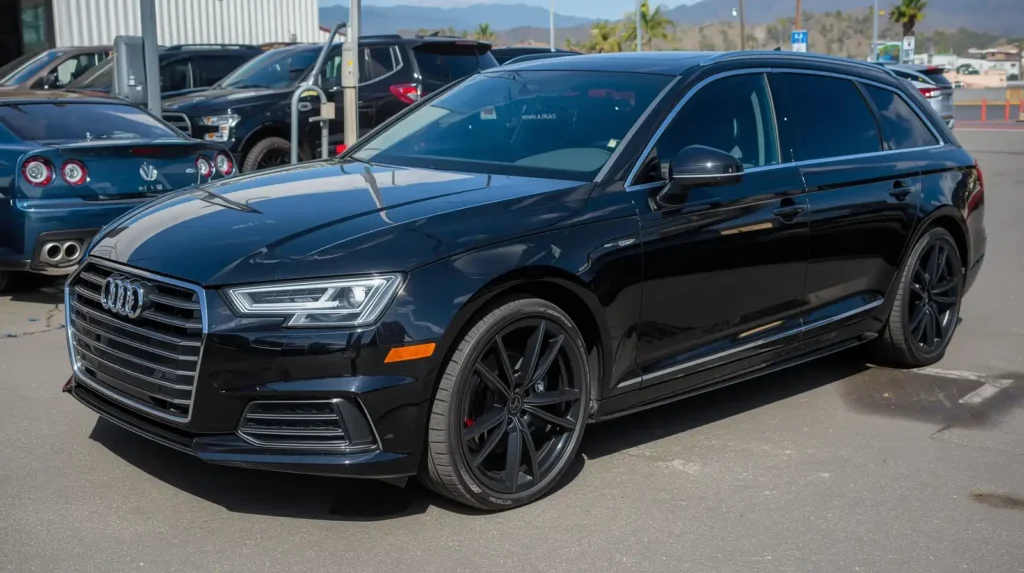
At Tint Veteran, protecting vehicle surfaces is more than a service it’s a craft built from years of hands-on experience. Our technicians have seen nearly every type of vehicle and understand how local conditions influence film life.
In San Diego County, the sun can be intense, and coastal air carries salt that accelerates wear. To combat that, we use high-end, UV-resistant films designed to withstand local weather. Each installation begins with full surface prep and precise measurement, ensuring the film fits like a second skin.
We’ve observed customers returning after 8 years with their vehicles still gleaming, the film intact and self-healing. That’s the result of proper installation, reliable material, and clear after-care instructions. When maintained properly, our clients often enjoy protection beyond the typical lifespan range.
Final Thoughts: Get More Miles Out of Your Paint Protection Film
So, how long does paint protection film last? With premium materials, expert installation, and gentle maintenance, up to 10 years of strong protection is absolutely possible. For most drivers, that means a decade of freedom from rock chips, fading, and expensive repainting.
The real secret lies in doing it right from day one. Choose a trustworthy installer who uses quality film, follow basic maintenance habits, and avoid cutting corners. You’ll not only protect your car’s beauty but also preserve its resale value and peace of mind.
PPF is more than a cosmetic upgrade it’s long-term protection for your investment.
If you want your car to stay spotless for years, schedule your professional installation with Tint Veteran. Our experts take pride in every detail, using advanced materials and precision methods to ensure lasting results. Contact us today to give your vehicle the long-term protection it deserves.