
The different shades of auto window tint range from very light films that block glare to deep, dark tints that offer privacy and strong heat reduction. The right shade depends on your comfort level, local laws, and style preference. In short, lighter tints give visibility and legal safety, while darker ones provide privacy and better UV protection.
Understanding Window Tint Shades Matters
Window tinting is one of the most practical upgrades for any vehicle. It’s not only about looks; it’s about comfort, safety, and protection. Many drivers think tint is simply a dark film that makes windows look cooler, but it’s far more advanced than that. The different shades of auto window tint control how much sunlight enters your car, how hot the cabin feels, and how clearly you can see both inside and outside.
A well-chosen tint can make a huge difference in your driving experience. For example, a lighter tint might be perfect for someone who drives mostly at night or in shady areas, while a darker tint benefits those constantly under the bright California sun.
Understanding tint shades also helps you stay compliant with your local tinting laws. Some states or counties limit how dark your front windows can be. In San Diego County, for instance, regulations favor moderate tint levels for driver visibility and safety. Learning these differences ensures you invest in the right tint, saving time and money later.
The Basics: What Auto Window Tint Really Does
Auto window tint is much more than a thin film; it’s engineered technology designed to protect and enhance your car’s performance. The film consists of multiple layers that each serve a purpose: one blocks UV light, another reduces glare, and another keeps heat out.
Main Functions of Window Tint
- Blocks UV rays: Up to 99% of harmful ultraviolet rays are filtered out, protecting your skin and preventing dashboard fading.
- Controls temperature: Quality tint films can reduce interior heat by up to 60%, making your car more comfortable in summer.
- Reduces glare: Less squinting from sunlight or headlights means safer driving.
- Increases privacy: It’s harder for people to see inside your car, adding peace of mind.
- Strengthens glass: Tint film can hold shattered pieces together during accidents, reducing injury risk.
When you look at a tinted window, it’s easy to see style first. But what’s working behind the scenes is science—a system built to keep your ride cooler, safer, and longer lasting.
Understanding the Different Shades of Auto Window Tint
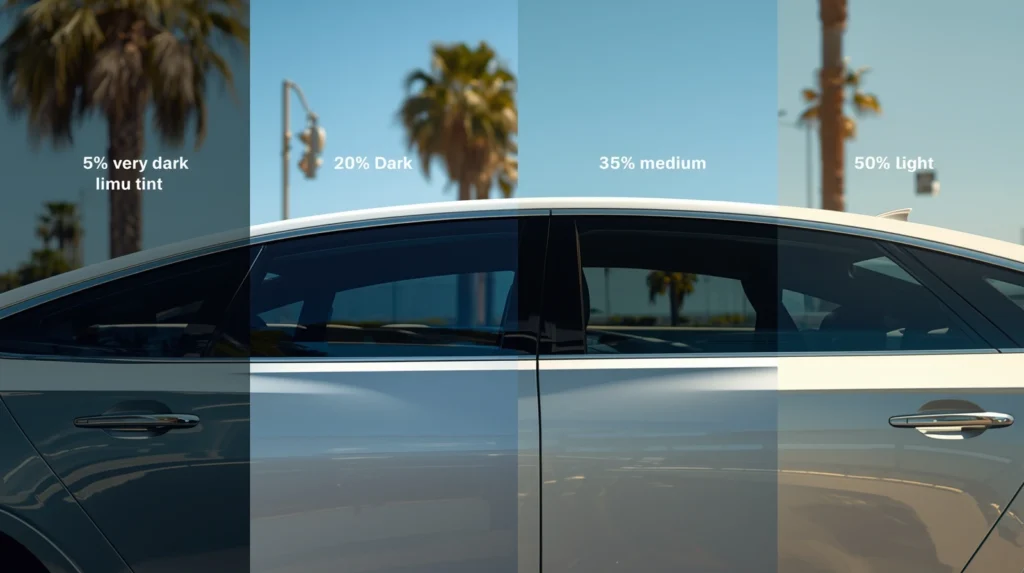
“Shade” in window tinting refers to how dark or light the film appears and how much visible light it lets through, known as VLT (Visible Light Transmission). A lower VLT means a darker tint, while a higher VLT means more light passes through.
Here’s a breakdown:
- 5% VLT: Almost black, often called limo tint. It gives maximum privacy but limits nighttime visibility.
- 20% VLT: Still dark but usable for most drivers. It balances privacy with function.
- 35% VLT: Medium tint, one of the most popular choices for everyday cars.
- 50% VLT: Light tint, subtle and ideal for drivers who prefer visibility.
Every driver has a unique preference. Someone commuting long hours may want a 20% shade for better cooling, while a parent with young children may prefer 35% to keep it bright inside while still blocking harmful rays.
Car Window Tint Shades Explained: From Light to Dark
Choosing between light, medium, or dark shades comes down to lifestyle and comfort. Each shade performs differently:
| Shade (VLT %) | Appearance | Ideal For | Key Benefit |
|---|---|---|---|
| 50% | Barely noticeable, clear look | Drivers who want full visibility | Cuts glare without changing appearance |
| 35% | Medium tint, balanced tone | Everyday cars, family vehicles | Great balance of clarity and heat control |
| 20% | Deep, visible tint | SUVs, sedans, or people valuing privacy | Strong privacy and sleek style |
| 5% | Very dark (limo tint) | Show cars or rear windows | Maximum heat and glare reduction |
When deciding, remember that visibility and safety come first. While 5% tint might look cool, it can make reversing or nighttime driving challenging.
Tint Veteran recommends medium-range tints like 20% or 35% for most daily drivers since they maintain clarity while giving noticeable comfort improvements.
Exploring Car Tint Options Based on Your Needs
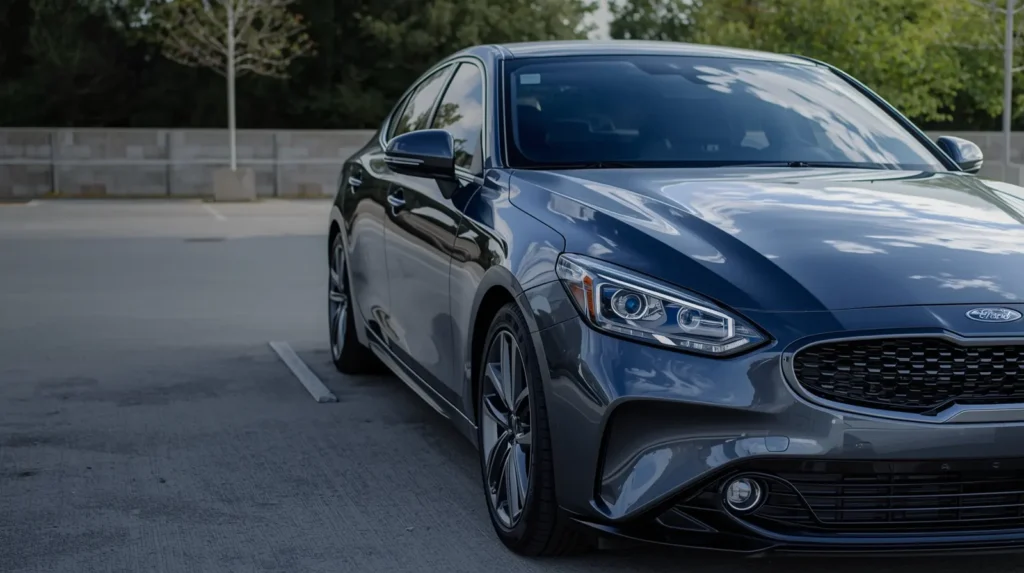
Not all drivers have the same goals when tinting their car. Some want aesthetics, while others need function. The best tint for you depends on where you live, how much time you spend on the road, and what you want your car to say about you.
Common Goals When Choosing Tint
- Comfort and Heat Reduction: If you spend time in hot weather, darker tints or ceramic films keep the interior cooler.
- Privacy and Security: For those who park in public areas or carry valuables, darker tints discourage unwanted attention.
- Style Enhancement: Tints give a polished, uniform appearance that upgrades any car’s exterior instantly.
- Eye Protection: Reduced glare helps avoid eye strain on long drives.
Example: A delivery driver who’s on the road all day under direct sunlight might benefit from a 20% carbon tint, which cuts glare and blocks UV without making night driving unsafe.
How Tint Colors for Cars Affect Both Style and Function
Beyond shade darkness, tint colors change the car’s appearance and light reflection. While most people stick to classic black or charcoal, colored tints can add unique appeal.
Popular Tint Colors
- Charcoal or Black: Neutral, timeless, and suits all car types.
- Bronze or Gold: Elegant and reflective, popular for luxury vehicles.
- Blue or Silver: Modern tones that add a futuristic flair.
- Green or Gray: Soft hues offering a subtle, high-end look.
Each tint color changes how light behaves. Bronze tints give a warm, golden hue inside, while charcoal tones maintain natural color balance. Whichever color you choose, make sure it complies with local regulations.
Tint Veteran professionals can guide you through color samples so you can see real results before installation.
Types of Window Tint Shades and Their Unique Features
Window tints differ not only in color and darkness but also in material technology. Each type has its own strengths:
1. Dyed Tint
This is the most affordable option, providing a deep color and mild heat control. However, it can fade faster under extreme sunlight.
2. Metalized Tint
This film uses metallic particles to reflect heat and add strength. It’s durable but may interfere with GPS or phone signals.
3. Hybrid Tint
A mix of dye and metal, offering good looks, strength, and UV rejection at a moderate price point.
4. Carbon Tint
Known for its matte finish and superior heat blocking, this tint won’t fade over time. It’s excellent for long-term use and visual appeal.
5. Ceramic Tint
The top-tier option. Ceramic films use non-metallic, non-conductive nanoparticles to block infrared heat and UV rays while staying crystal clear for visibility.
Expert Insight: Ceramic tint might cost more upfront but can reduce interior heat up to 60% and last twice as long as cheaper films.
Comparing Different Shades of Window Tint for Cars: What’s Best for You
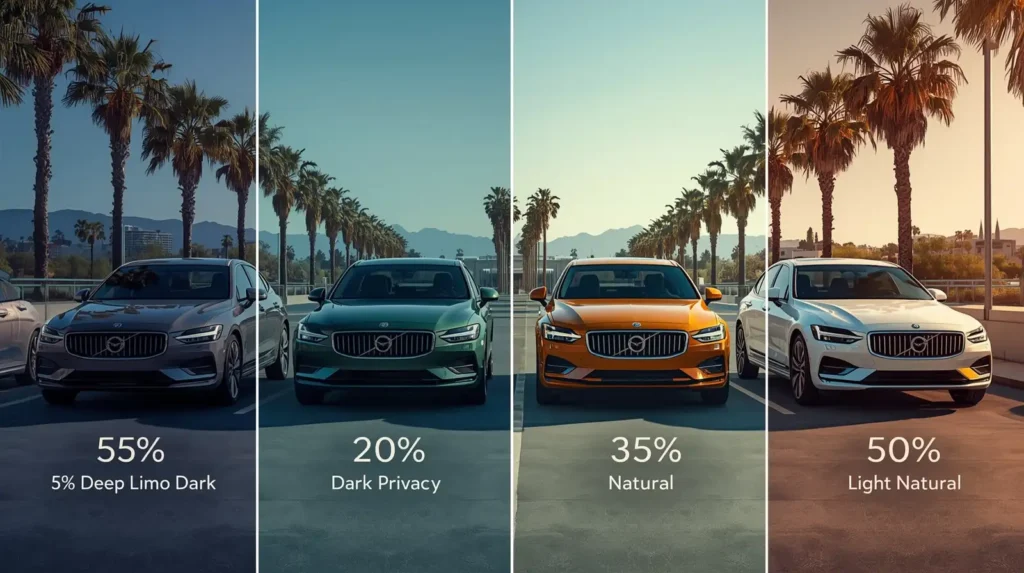
When comparing different shades, think beyond the look. Consider how they fit your lifestyle, daily driving habits, and comfort level.
Here’s a quick guide:
- Commuters: Choose 35% for daytime driving comfort without making night driving hard.
- Privacy Seekers: 20% blocks view from outside while keeping a classy look.
- Families: 50% keeps the cabin bright and safe for kids.
- Luxury Owners: 5% or carbon tints create a sophisticated finish.
Legal compliance also matters. While rear windows can often be darker, front windows usually have stricter visibility rules. Always check your local tint laws before applying.
How to Read a Window Tint Shade Chart Like a Pro
Reading a tint chart helps you visualize your options before installation.
Key terms to understand:
- VLT (Visible Light Transmission): The lower the number, the darker the tint.
- UV Rejection: Percentage of UV rays blocked, protecting passengers and upholstery.
- TSER (Total Solar Energy Rejection): Shows overall heat reduction efficiency.
Sample Tint Performance Comparison
| Type | VLT % | UV Block | TSER | Durability |
|---|---|---|---|---|
| Dyed | 35% | 85% | 25% | Moderate |
| Carbon | 20% | 99% | 50% | High |
| Ceramic | 30% | 99% | 60–70% | Very High |
These details matter because they affect comfort and energy efficiency. A 20% ceramic tint, for instance, can make your air conditioning work less, improving fuel economy.
Professional Installation vs. DIY Tinting: Why Expertise Matters
DIY tinting may seem tempting due to cost, but one mistake can ruin the entire job. Poorly applied tint can bubble, peel, or leave uneven lines. Professional installers have years of experience and tools that ensure perfection.
Why Professional Installation Wins
- Precision: Experts cut the film precisely to fit each window curve.
- Cleanliness: Professional environments prevent dust or hair from sticking under the film.
- Warranty: Most pro installers, including Tint Veteran, offer warranties against peeling or fading.
- Knowledge: Pros understand local tinting laws and can help you stay compliant.
Investing in professional installation ensures your tint looks better and lasts longer, giving you peace of mind and long-term savings.
Where to Find the Best Auto Window Tint in San Diego County
For car owners who want trusted professionals, Tint Veteran stands out for its craftsmanship, materials, and commitment to quality. Their team combines years of experience with modern tinting technology to deliver perfect results every time.
From selecting the right shade and color to ensuring a flawless installation, Tint Veteran’s service covers every detail. They handle all vehicle types, from daily commuters to luxury models, using premium films that guarantee durability and clarity.
Their goal isn’t just to tint your windows but to transform your driving experience. Once you drive with proper tint, you’ll immediately notice a cooler cabin, reduced glare, and a sharp, elegant look that sets your car apart.
Conclusion
Choosing between the different shades of auto window tint is about more than just appearance. The right shade balances comfort, privacy, and visibility while protecting your car’s interior and your health. Lighter tints are ideal for visibility and safety, while darker shades offer more heat and UV protection.
When done right, tinting enhances your car’s look and driving comfort all year round. Partnering with a professional installer ensures you get the best materials, perfect application, and long-term satisfaction.
If you’re ready to upgrade your car with professional window tinting, contact Tint Veteran today. Their specialists will help you find the right shade, finish, and protection level that fits your car and lifestyle. Enjoy cooler rides, added privacy, and lasting quality that makes every drive feel better.


