
What is car paint correction? It’s a professional detailing process that removes swirl marks, scratches, and oxidation from a vehicle’s paint surface to restore a deep, glossy shine. Instead of repainting, this method carefully polishes the clear coat to make the surface smooth and reflective again. In this article, you’ll learn exactly what car paint correction means, how it works, the difference between minor and full correction, and why many drivers choose lasting protection like window tinting from Tint Veteran in San Diego County.
Understanding the Basics of Car Surface Care
Every car owner loves that bright, glossy shine when a car rolls out of the dealership. Over time, though, dust, sun exposure, and washing mistakes slowly dull that glow. The surface starts to show fine scratches, marks, or dull patches. These flaws are not always deep, but they change the way light reflects off the paint, making the car look older than it really is. That is why services like detailing, polishing, and paint correction exist. They aim to bring back the original look of your car and make it feel new again.
Maintaining the surface of your vehicle is not just about looks. The clear coat that protects your car’s paint also acts as a barrier against sunlight, rain, and pollution. Taking care of it prevents future damage and saves money on repairs. Many car owners also pair paint care with window tinting for complete protection from UV rays and heat.
Why Car Paint Correction Has Become a Popular Topic
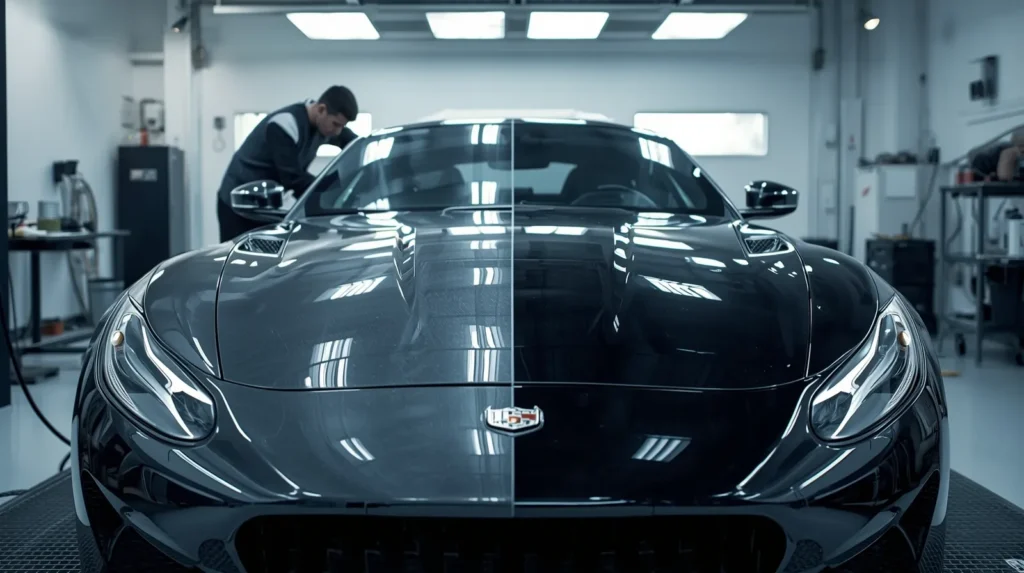
If you scroll through social media or visit car forums, you’ll see many “before and after” videos showing paint correction results. These show faded cars turning mirror-smooth and glossy again. That has made “paint correction” a trending topic among car enthusiasts.
People often confuse it with car waxing or repainting, but they are not the same. Paint correction is much deeper and more precise. It uses advanced tools to polish away surface imperfections and reveal the untouched paint layer underneath. Car owners are drawn to it because it brings dramatic results without needing a full respray.
At the same time, professionals like Tint Veteran in San Diego County focus on other important surface protection methods such as window tinting, which shields both the interior and exterior from harsh sunlight and UV rays.
What Is Car Paint Correction?
What is car paint correction? It is a detailed process that removes flaws from a car’s paint surface by gently polishing the clear coat layer. These flaws include swirl marks, oxidation, water spots, and small scratches that collect over time.
The goal is to restore the paint’s original depth and clarity without damaging the surface. A technician uses specialized machines with pads and polishing compounds to level the clear coat and eliminate visible imperfections.
Unlike a simple wax, paint correction actually reshapes the clear coat to make it smooth again. Once done properly, it gives the paint a deep shine that almost looks wet. This process can take several hours to days depending on how bad the surface is.
Paint Correction Meaning in Simple Terms
In simple words, paint correction meaning refers to polishing your car’s clear coat until the small defects disappear. Think of it like sanding a piece of wood gently until it becomes smooth and shiny.
It doesn’t change the color of your car or add new paint. Instead, it carefully removes the thin layer of uneven clear coat that creates dullness. The result is a brighter, more reflective finish.
Professionals often use inspection lights to spot each imperfection before and after the correction. This level of care ensures your car’s surface is treated evenly, leaving a mirror-like reflection once complete.
Types of Paint Correction: Minor vs. Full
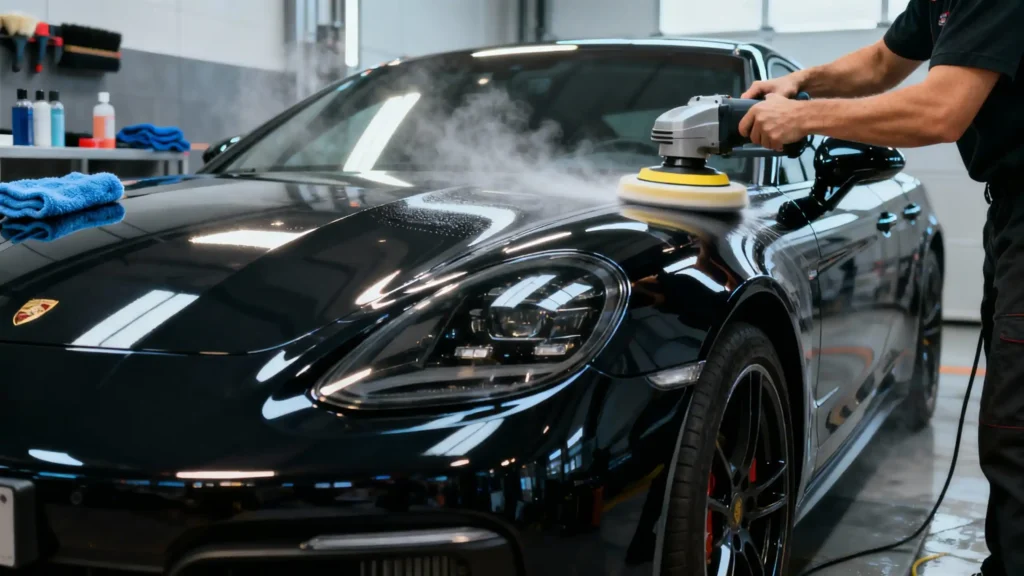
When it comes to restoring a vehicle’s surface, there are two main types of paint correction that professionals perform Minor Paint Correction and Full Paint Correction. Each type addresses different levels of paint damage and delivers unique results depending on the car’s condition.
1. Minor Paint Correction
Minor paint correction focuses on improving cars that are already in fairly good shape but have minor swirl marks, faint scratches, or dull spots. This process usually includes a single polishing stage using a fine compound and a soft pad. It gently smooths out the clear coat, enhancing shine and depth without removing too much material.
This option is perfect for newer or well-maintained vehicles that need a light touch-up to regain a glossy, clean finish without going through an extensive, multi-step service.
2. Full Paint Correction
Full paint correction is a more advanced and time-intensive service. It involves multiple polishing stages, starting with heavy compounding to remove deeper imperfections such as oxidation, water spots, and etched swirl marks. After the aggressive stage, a fine polish is used to refine the surface, leaving a deep, mirror-like gloss.
This level of correction is ideal for older cars or those exposed to harsh conditions that have lost their luster. It provides a noticeable transformation, restoring depth, clarity, and smoothness across the entire paint surface.
Professionals choose between these two methods based on the vehicle’s paint condition, the owner’s budget, and how flawless they want the final look to be.
Does Paint Correction Remove Scratches or Clear Coat Layers?
This is one of the most common questions car owners ask. The answer is yes, paint correction can remove small scratches and swirl marks, but it does not remove deep scratches or large portions of the clear coat.
During correction, the polishing process gently shaves off a microscopic layer of the clear coat just enough to level out imperfections. That means only the uppermost surface is adjusted. Done correctly, it will not harm the paint or thin out the protection too much.
If deep scratches cut through the paint into the primer, those need touch-up paint, not correction. Proper correction focuses on surface restoration without causing damage.
Paint Correction Before and After: What to Expect
The difference between paint correction before and after is striking. Before correction, you may see cloudy reflections, spider web-like swirls, or dull patches. After correction, these disappear, leaving a high-gloss, mirror-like surface.
You can expect the paint to look deeper and more vibrant. Metallic finishes sparkle more clearly, and dark colors appear richer. The car’s entire surface feels smooth to the touch and reflects light evenly.
However, it’s important to have realistic expectations. Correction doesn’t fix dents or deep chips. It focuses on visual improvement and surface clarity. Many drivers combine correction with wax or ceramic coating afterward for extra shine and protection.
The Real Cost and Longevity of Paint Correction
Paint correction costs vary depending on vehicle size, paint condition, and service level. On average, minor correction might cost a few hundred dollars, while full correction can exceed a thousand. The process can take anywhere from half a day to several days for a full detail.
When done correctly, results can last a long time with proper care. Regular washing with soft microfiber towels and gentle soaps helps preserve the finish. Avoid automatic car washes that use harsh brushes, as they can create new swirl marks.
Applying wax or ceramic coating afterward adds extra protection against dirt and UV rays, keeping the finish fresh for months or even years.
Paint Correction vs. Professional Automotive Window Tinting in San Diego County
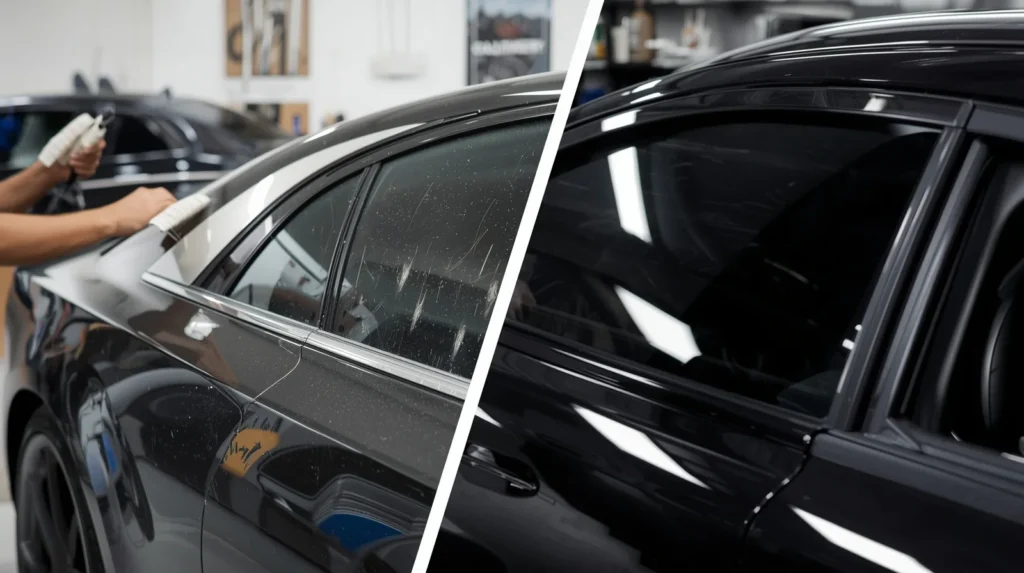
Both paint correction and window tinting help protect your car and make it look better, but they serve different purposes. Paint correction improves the body surface, while window tinting protects the interior and glass.
In San Diego County, where sunlight is strong most of the year, Tint Veteran provides expert automotive window tinting to reduce heat and UV damage. This service complements paint correction by protecting your car’s interior from fading and keeping the cabin cool.
Tinting also enhances appearance, giving your car a sleek and modern look. While correction focuses on restoring beauty, tinting focuses on long-term protection.
When to Choose Window Tinting Over Paint Correction
If your car’s paint still looks clean and glossy but the interior feels hot and faded, window tinting may be a smarter investment. It prevents heat buildup, protects leather seats, and blocks harmful rays that age both paint and interiors.
Unlike paint correction, tinting lasts several years with minimal maintenance. It also adds privacy and glare reduction for a more comfortable driving experience. For cars already in good shape, tinting gives visible benefits without the high cost of full correction.
Some car owners choose both: correction to restore the exterior and tinting to preserve the entire vehicle afterward. Together, they deliver a complete upgrade in looks and comfort.
Enhance and Protect Your Vehicle with Tint Veteran
A perfect-looking car isn’t just about paint. True care means protecting every surface from sun, heat, and aging. Whether you drive a luxury sedan or a daily commuter, Tint Veteran offers professional tinting solutions that combine style and protection.
Their experts use high-quality films designed for durability and performance, ensuring each installation looks smooth and clean. Window tinting not only improves appearance but also adds comfort and privacy for every drive.
If you care about your car’s finish, comfort, and long-term value, schedule a consultation today. Let professionals handle your tinting needs and enjoy the difference quality service makes.
Ready to upgrade your vehicle’s comfort and protection? Contact Tint Veteran today for expert automotive, residential, or commercial window tinting. Experience professional care that keeps your car cool, sleek, and protected for years to come.


